Aluminium has emerged as a leading material in the construction industry. But why is aluminium used in construction? This choice reflects a blend of practicality and innovation. Builders appreciate its lightweight nature. It allows for faster construction times. The strength-to-weight ratio of aluminium is impressive. It provides durability while remaining easy to transport and install.
Moreover, aluminium offers resistance to corrosion. This property makes it ideal for various environments, including coastal areas. Its longevity means less frequent replacements, adding to sustainability. Additionally, aluminium's versatility allows for various designs. It can be molded into complex shapes, enhancing architectural creativity.
However, there are challenges with aluminium. While it is recyclable, the energy required for production is significant. This raises questions about its environmental impact. Understanding the reasons behind its widespread use leads to a deeper appreciation of the material.
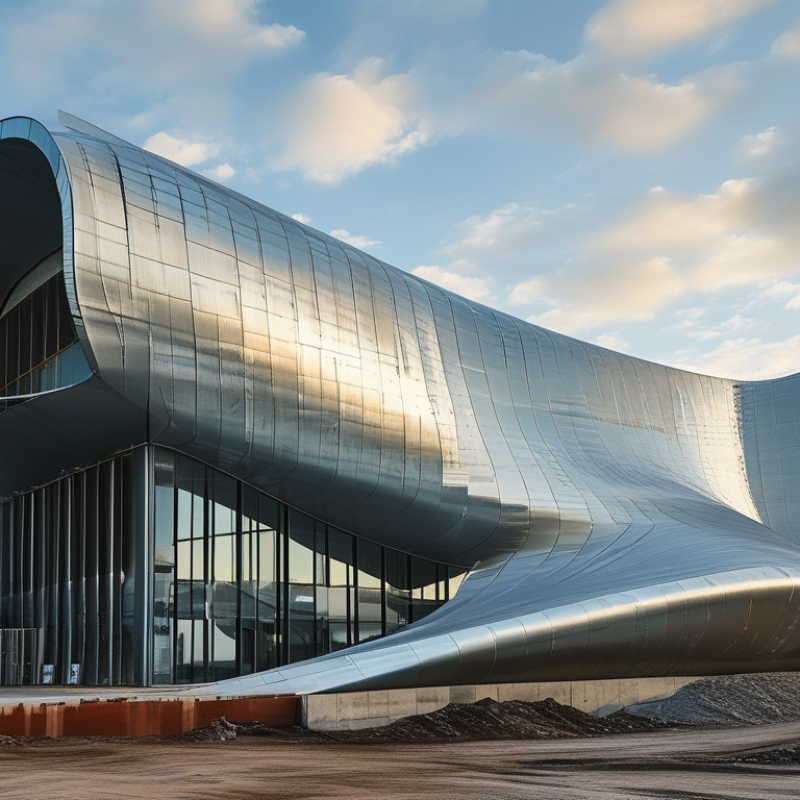
Properties of Aluminium that Benefit Construction Projects
Aluminium is a popular choice in construction due to its remarkable properties. Its lightweight nature makes it easy to handle and transport. This can significantly reduce labor costs and construction time. The material is also highly resistant to corrosion, ensuring longevity in various environments. Whether it’s residential buildings or large commercial projects, aluminium stands the test of time.
One of the key benefits is its thermal efficiency. Aluminium frames can improve insulation, reducing energy consumption. Many architects choose it for window and door designs. This promotes better energy management in buildings. However, it’s essential to combine aluminium with other materials to maximize its benefits for specific projects.
Tip: When selecting aluminium for construction, consider the alloy type. Different alloys offer varying strength and flexibility. Researching specifications can help find the right fit for your needs.
Another advantage of aluminium is its recyclability. Using recycled aluminium reduces environmental impact. But ensure that your recycling process meets industry standards. This reflects your commitment to sustainability and responsible construction practices.
Tip: Regular maintenance checks can preserve aluminium structures. This helps prevent potential issues from arising and extends the material's life.
Economic Advantages of Using Aluminium in Building Materials
Aluminium is increasingly favored in construction due to its economic advantages. Its lightweight nature reduces transportation costs significantly. Structures made from aluminium require less energy for installation and can be assembled quickly. This efficiency leads to lower labor expenses.
Moreover, aluminium is highly durable. It resists corrosion and requires minimal maintenance. This longevity translates to cost savings over time. However, the initial cost can be higher than other materials. Builders must weigh upfront expenses against long-term benefits.
Aluminium’s recyclability is another economic plus. Reusing aluminium minimizes waste and lowers production costs. Still, the recycling process itself can require significant energy. Balancing these factors is crucial for sustainable choices in construction. When evaluating materials, considering both immediate and future impacts is essential.
Economic Advantages of Using Aluminium in Construction
The chart above illustrates the economic advantages of using aluminium in construction. Key benefits include cost efficiency, durability, recyclability, weight, and lower maintenance requirements, making aluminium a preferred choice in building materials.
Environmental Impact and Sustainability of Aluminium in Construction
Aluminium's role in construction is increasingly recognized for its environmental benefits. It is lightweight yet durable, making it an efficient choice for building structures. This material can significantly reduce energy consumption during transportation. Being recyclable, aluminium can be melted down and reformed without losing quality.
The production of aluminium, while energy-intensive, has improved over recent years. Efforts to use renewable energy sources during production contribute to reducing overall carbon emissions. However, the mining and refining processes still pose environmental challenges. Sustainable practices, like responsible sourcing, are crucial for minimizing these impacts.
The longevity of aluminium structures adds to their sustainability profile. They require less maintenance over time, which can reduce waste and the need for new materials. Despite these advantages, the industry needs to tackle issues related to end-of-life management. Ensuring that aluminium products are efficiently recycled is vital for maximizing their environmental benefits.
Comparative Durability of Aluminium versus Traditional Building Materials
Aluminium has gained significant popularity in the construction industry due to its remarkable durability compared to traditional materials. Unlike wood or steel, aluminium exhibits excellent resistance to corrosion and environmental conditions. This quality makes it an ideal choice for structures exposed to harsh climates. For instance, buildings located near the coast benefit immensely from aluminium’s ability to withstand salty air and moisture without deteriorating.
In contrast to conventional materials that require regular maintenance, aluminium often remains resilient over time. It does not warp, crack, or rust easily, which can lead to increased life expectancy of structures. However, some critics argue that the initial cost of aluminium can be higher, leading to misconceptions about its overall efficiency. While this may cause concerns for budget-conscious builders, the long-term savings in maintenance and repairs can outweigh these upfront expenses.
Furthermore, the recyclability of aluminium adds to its sustainable appeal. It can be recycled repeatedly without losing quality, reducing the environmental impact significantly. Unfortunately, not all regions have adequate recycling facilities, which can pose challenges. Therefore, while aluminium stands out for its durability, factors like recycling and cost must be weighed thoughtfully in construction decisions.
Innovative Applications of Aluminium in Modern Architectural Designs
Aluminium has emerged as a key material in modern architectural designs, revolutionizing construction practices. Its lightweight nature allows for innovative structures that were once thought impossible. According to the International Aluminium Institute, aluminium is 1/3 the weight of steel yet offers comparable strength. This makes it ideal for high-rise buildings where reducing weight is crucial for structural integrity.
One fascinating application of aluminium is in building facades. Architects leverage its versatility to create dynamic shapes and forms. The reflective quality of aluminium enhances energy efficiency by reducing heat absorption. In cities, this not only contributes to lower energy costs but also supports sustainability goals. A recent report by McKinsey highlights that buildings using aluminium can save up to 30% on cooling energy.
However, the environmental impact of aluminium production cannot be ignored. The extraction process, known as bauxite mining, can lead to habitat destruction. While recycling rates for aluminium are high, the initial production stages present challenges. The architectural community must continue to seek alternatives to mitigate these effects while embracing aluminium's revolutionary potential. Balancing innovation with sustainability is a pressing concern that requires careful consideration.
Why is Aluminium the Preferred Choice for Construction? - Innovative Applications of Aluminium in Modern Architectural Designs
| Application |
Advantage |
Environmental Impact |
Cost |
| Structural Components |
High strength-to-weight ratio |
Recyclable material |
Moderate initial investment |
| Roofing |
Durability and weather resistance |
Low ecological footprint |
Cost-effective over time |
| Windows and Facades |
Aesthetic flexibility |
Energy-efficient |
Competitive pricing |
| Infrastructure |
Corrosion resistance |
Long lifespan |
Economical for large projects |
| Interior Design |
Modern appeal and lightweight |
Sustainable sourcing options |
Variable cost depending on design |
FAQS
: Aluminium is lightweight, making it easy to handle and transport. It reduces labor costs and shortens construction time.
Aluminium frames improve insulation. This leads to reduced energy consumption in buildings.
Yes, aluminium resists corrosion, ensuring longevity in various environments. Regular maintenance checks are still important.
Choose the right alloy type for strength and flexibility. Research specifications to find the best fit for your project.
Recycling aluminium reduces waste and lessens the need for new materials. Ensure the recycling process meets industry standards.
Yes, the initial cost may be higher than other materials. Long-term benefits need to be weighed against upfront expenses.
Production is energy-intensive, but improvements have been made. Efforts using renewable energy can help reduce carbon emissions.
Their longevity means less maintenance and reduced waste. However, efficient end-of-life recycling is still a challenge.
Aluminium requires less energy for installation and can be assembled quickly, saving on labor costs.
Mining and refining processes pose environmental challenges. Sustainable sourcing practices are necessary for minimizing impacts.
Conclusion
Aluminium is increasingly becoming the preferred choice for construction due to its advantageous properties and economic benefits. One key reason why aluminium is used in construction is its lightweight nature, which simplifies handling and reduces transportation costs. Additionally, aluminium exhibits excellent resistance to corrosion, leading to longer-lasting structures and lower maintenance needs. The economic advantages further enhance its appeal, as it often results in cost savings over the lifespan of a building project.
Another critical aspect is the environmental impact and sustainability of aluminium. As a fully recyclable material, aluminium contributes to reducing waste and promoting eco-friendly building practices. Moreover, its comparative durability against traditional materials ensures that buildings maintain their structural integrity over time. Innovative applications in modern architectural designs also showcase aluminium's versatility, allowing for creative solutions that meet contemporary aesthetic demands. Overall, the combination of these factors solidifies aluminium's position as a vital material in the construction industry.

 Cellar Aluminum