2026 Best Guide How to Recycle Aluminium Sheet Materials

Time:2026-10-14 Author:Isabella
0%

Recycling aluminium sheets can save energy, reduce landfill pressure, and return valuable metal to manufacturing. Yet, many people underestimate the preparation required. Coatings, adhesives, oil, and mixed materials can affect the recycling result. This guide explains how to recycle aluminium sheet materials with practical steps and responsible judgment.

Begin by identifying the sheet’s condition and composition. Clean, unpainted aluminium usually has strong recycling value. Painted or laminated sheets may need separate handling. Remove screws, plastic layers, rubber seals, and other attached materials when possible. Keep the metal dry. Small details matter.

Do not guess blindly.

A magnet will not stick to aluminium, but this test cannot identify every alloy. For reliable results, contact a licensed scrap dealer, municipal recycling center, or metal processor. Ask how they classify coated, insulated, or contaminated sheets. Their requirements may differ by region and facility. Follow current local guidance before transportation or disposal.

Use gloves and eye protection when cutting or sorting sharp edges. Avoid burning coatings, since fumes may be hazardous and environmentally harmful. Record the material type, approximate weight, and source if your business handles regular volumes. These records support accurate pricing and better waste planning. Still, no guide replaces professional inspection. Recycling systems are imperfect, and contamination can reduce recovery rates. A careful process, combined with honest review, often achieves better results than rushed sorting.
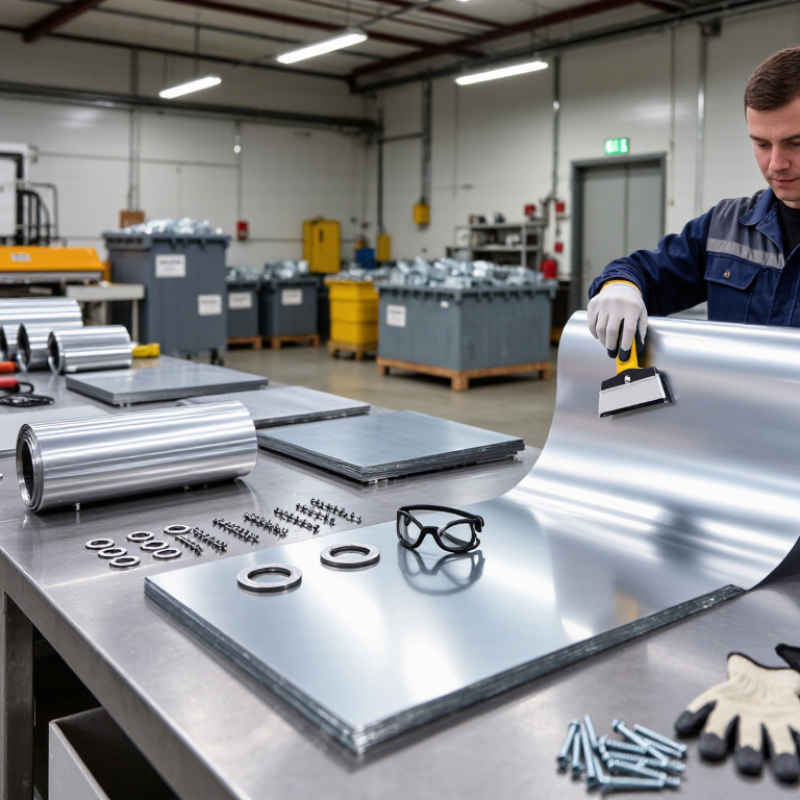
2026 Best Guide How to Recycle Aluminium Sheet Materials

What Aluminium Sheet Materials Are and Why They Should Be Recycled

Aluminium sheet is a flat, rolled material made from aluminium alloys. Manufacturers use it for roofing, transport panels, appliances, packaging, and fabricated parts. It is lightweight, corrosion-resistant, and easy to form. It is also highly durable. The International Aluminium Institute reports that about 75% of all aluminium ever produced remains in use today. That figure shows long service life, not perfect recycling. Coatings, adhesives, paint, and mixed alloys can complicate recovery. A clean offcut is valuable; a greasy, bonded panel is less straightforward.

Recycling preserves the metal’s embedded energy. European Aluminium reports that recycled aluminium requires roughly 5% of the energy used for primary production, or about 95% less. The process still needs collection, sorting, melting, and quality checks. It is not effortless. At a fabrication site, workers should separate bare sheet from painted or laminated material, remove foreign fasteners, and keep moisture away from stored scrap. The US Environmental Protection Agency’s WARM data also shows aluminium recycling can deliver substantial energy and greenhouse-gas benefits, although results vary by transport and facility efficiency. One weakness deserves attention: recycling statistics often combine cans, sheet, and other products. They may not describe sheet recovery precisely. Better reporting should identify alloy type, coating condition, and actual recycled content.

2026 Best Guide: How to Recycle Aluminium Sheet Materials

What Aluminium Sheet Materials Are and Why They Should Be Recycled

Aluminium sheets are flat, rolled products commonly used in construction, transport, packaging and manufacturing. Recycling aluminium requires approximately 5% of the energy needed to produce primary aluminium, representing potential energy savings of about 95%. Aluminium can also be recycled repeatedly without losing its essential material properties.

Data basis: relative energy demand index, where primary aluminium production is set at 100 and recycled aluminium production is approximately 5, based on widely reported industry and life-cycle assessment findings.

How to Sort and Prepare Aluminium Sheets for Recycling

2026 Best Guide: How to Recycle Aluminium Sheet Materials

How to Sort and Prepare Aluminium Sheets for Recycling

Before recycling aluminium sheets, inspect their surface and edges carefully. Remove food residue, dirt, labels, plastic film, and loose insulation. A magnet helps identify steel pieces, which should go into a separate metal stream. Aluminium feels lighter and does not attract a magnet. Keep aluminium away from copper, brass, and general waste when possible. Mixed metals can reduce the material’s value and complicate processing.

Painted or coated sheets may still be recyclable, but acceptance depends on the local facility. Check its requirements before transport. Remove screws, brackets, rubber seals, and attached wood. Do not burn coatings or melt the sheets at home. Flatten thin pieces when safe, but avoid creating sharp, difficult-to-handle edges. Wear cut-resistant gloves and sturdy shoes. I have found that a clean-looking sheet can hide adhesive, sealant, or steel beneath its surface. That small detail is easy to miss.

Tips: Keep sheets dry and stack them flat. Use a separate box for small offcuts. Mark unknown materials for inspection instead of guessing. Take clear photos of unusual coatings before contacting a certified recycling facility. Requirements vary. Recheck them before each delivery.

How Aluminium Sheet Materials Are Collected and Transported

Aluminium sheet recycling begins where materials are used. Fabrication workshops, construction sites, and warehouses usually place offcuts in dedicated collection areas. Workers should keep aluminium separate from steel, copper, plastic, and general waste. Clean separation improves sorting accuracy and protects material value.

Collection teams inspect the sheets before loading. They remove obvious plastic film, insulation, wood, and hazardous residues. Sharp edges need careful handling. Gloves, safety footwear, and suitable lifting equipment reduce injury risks. Sheets are often stacked on pallets or inside rigid containers. Do not overfill them. Bent pieces can shift unexpectedly.

Labels are useful, but not always accurate. A quick visual check still matters. Collectors record the material type, approximate weight, source, and collection date. Scales provide better records than estimates. Moisture and dirt can also affect recorded weights, so weighing conditions should remain consistent.

During transport, secured loads prevent sliding and road hazards. Straps, edge protectors, and covered vehicles help protect both the sheets and nearby traffic. Drivers should follow local weight, routing, and waste-transport requirements. At the recycling facility, staff inspect the load again before unloading. Mixed metals may require extra sorting, while clean aluminium sheets can move more directly into processing. Small recording errors happen. Reviewing them improves the next collection.

How Aluminium Sheets Are Processed into Reusable Metal

2026 Best Guide How to Recycle Aluminium Sheet Materials

Aluminium sheets become reusable metal through careful sorting, cleaning, size reduction, and remelting. Workers inspect incoming sheets for alloy markings, oil, paint, plastic films, and attached steel parts. Magnetic separation removes ferrous pieces, while eddy current systems help separate aluminium from mixed waste. No sorting system is perfect. Manual inspection still matters.

Clean sheets are baled or shredded before entering a controlled furnace. The material melts at about 660°C, while coatings and trapped contaminants create dross. Operators skim this residue and test the molten metal for composition, strength, and unwanted impurities. Different alloys should remain separated because mixing them can weaken the next product. The recycled metal may become new sheets, vehicle parts, frames, or packaging material. The process saves substantial energy compared with producing aluminium from mined ore, although transport and furnace emissions still require attention.

Tips: Keep sheets dry and remove screws, rubber, insulation, and thick plastic before collection. Do not place aluminium together with food waste or wet chemicals. Small paint layers may be accepted, but heavily coated material often needs special treatment. Check local collection guidance, because accepted alloy grades can vary. A useful habit is recording the sheet’s source and condition; this simple step improves sorting accuracy, though it is easy to overlook.

How to Improve Aluminium Sheet Recycling Efficiency and Safety

Recycling aluminium sheet efficiently begins with disciplined sorting. Separate clean sheets from painted, laminated, oily, or heavily corroded pieces. Different alloys can lose value when mixed carelessly. Check labels, supplier records, and material test results when available. Keep each category in a clearly marked, covered container. Moisture matters. Wet scrap can create handling problems and increase contamination.

Safety must guide every movement. Wear cut-resistant gloves, eye protection, safety footwear, and suitable work clothing. Use mechanical lifting tools for large sheets. Never grab sharp edges casually. Keep walkways clear and inspect balers, shears, and conveyors before operation. Aluminium dust requires careful control, so use approved extraction systems and avoid spreading dust with compressed air. Follow site procedures and current occupational safety guidance.

A reliable system also records incoming weight, sorting losses, and rejected loads. These figures reveal where efficiency is failing. A practical improvement may be simple: place the correct container beside the cutting station. Small changes matter. The process is rarely perfect. Coatings may be misidentified, and rushed sorting can create hidden waste. Review mistakes during regular training, then adjust labels, storage, or inspection steps. Clean, dry, well-separated material usually moves faster and provides safer working conditions.

FAQS

How should aluminium sheets be inspected before recycling?

Check the surface and edges for dirt, food residue, labels, plastic film, and loose insulation. Remove attached wood, rubber seals, screws, and brackets. Look closely. Adhesive can hide beneath a clean surface.

How can I tell aluminium from steel?

Place a magnet against the sheet. Aluminium does not attract it, while steel usually does. Keep magnetic pieces separate. Do not guess with unknown materials.

Can painted or coated aluminium sheets be recycled?

Many facilities accept painted or coated sheets, but requirements differ locally. Contact the facility before transport. Do not burn coatings or melt sheets at home.

What other materials should stay separate?

Separate aluminium from copper, brass, plastic, wood, steel, and general waste. Mixed metals make sorting harder and may reduce material value. Use separate containers.

How should aluminium sheets be stored?

Keep sheets dry and stack them flat on pallets or inside rigid containers. Place small offcuts in a separate box. Do not overfill containers.

How can workers handle sharp or bent sheets safely?

Wear cut-resistant gloves and sturdy footwear. Use suitable lifting equipment for heavy or awkward pieces. Flatten thin sheets only when safe. Sharp edges remain a concern.

What information should collectors record?

Record the material type, approximate weight, source, and collection date. Use scales instead of visual estimates. Moisture and dirt can change recorded weights.

How should aluminium sheets be prepared for transport?

Secure stacked sheets with straps and edge protectors. Use covered vehicles when practical. Prevent sliding during transport. Small recording errors happen. Review them afterward.

What should happen when the material type is unclear?

Mark the piece for inspection instead of guessing. Take clear photos of unusual coatings or surfaces. Ask a certified recycling facility for guidance. Recheck its requirements before delivery.

Conclusion

This guide explains how to recycle aluminium sheet materials efficiently, safely, and responsibly. Aluminium sheets are valuable, lightweight, durable, and highly recyclable, so recovering them helps conserve energy, reduce waste, and limit the need for new raw materials. The process begins with identifying aluminium sheets and separating them from other metals, plastics, coatings, insulation, and hazardous residues. Sheets should be cleaned, dried, flattened when practical, and prepared according to the requirements of the local recycling facility.

After sorting, aluminium sheets are collected and transported in a way that prevents contamination, excessive moisture, and unnecessary damage. At the processing facility, the material is inspected, shredded or compacted, and separated using specialized equipment. It is then melted, purified, cast into new forms, and manufactured into reusable aluminium products. Improving recycling efficiency requires clear labeling, careful sorting, organized storage, safe handling practices, suitable protective equipment, and cooperation with approved recycling services. These steps help maximize material recovery while protecting workers and the environment.

Isabella

Isabella

Isabella is a dedicated marketing professional with a sharp focus on driving brand growth and engagement through strategic content creation. With an extensive background in digital marketing, she combines her passion for storytelling with her keen understanding of industry trends to deliver......