In 2026, aluminium remains a practical choice for façades, windows, transport, machinery, and renewable-energy systems. Yet one question deserves more than a simple number: what is the lifespan of aluminium materials? The answer depends on alloy composition, surface treatment, moisture, salt exposure, loads, maintenance, and installation quality.
Professor Michael F. Ashby, a leading materials-selection authority, wrote, “Materials are the hardware of technology.” His observation matters here. Aluminium may resist corrosion for decades, but the surrounding design can fail earlier. A poorly sealed window frame may stain near a coastal road. An untreated component may develop surface damage in polluted or wet conditions. Good engineering changes the outcome.
For building applications, properly designed aluminium systems can often serve for 50 years or longer. Some protected structures may remain functional beyond 70 years. Industrial parts face different pressures, especially vibration, heat, chemicals, and repeated stress. Their useful life may be much shorter. Recycled aluminium can also return to service without losing its basic material properties, although coatings, contamination, and alloy separation still require careful control.
A neat number would be convenient. It would also be misleading. This guide compares common aluminium materials, explains realistic service-life ranges, and examines the details that shorten or extend performance. Expect practical evidence, not exaggerated promises. The strongest answer to what is the lifespan of aluminium materials begins with the environment, the alloy, and the quality of the original design.
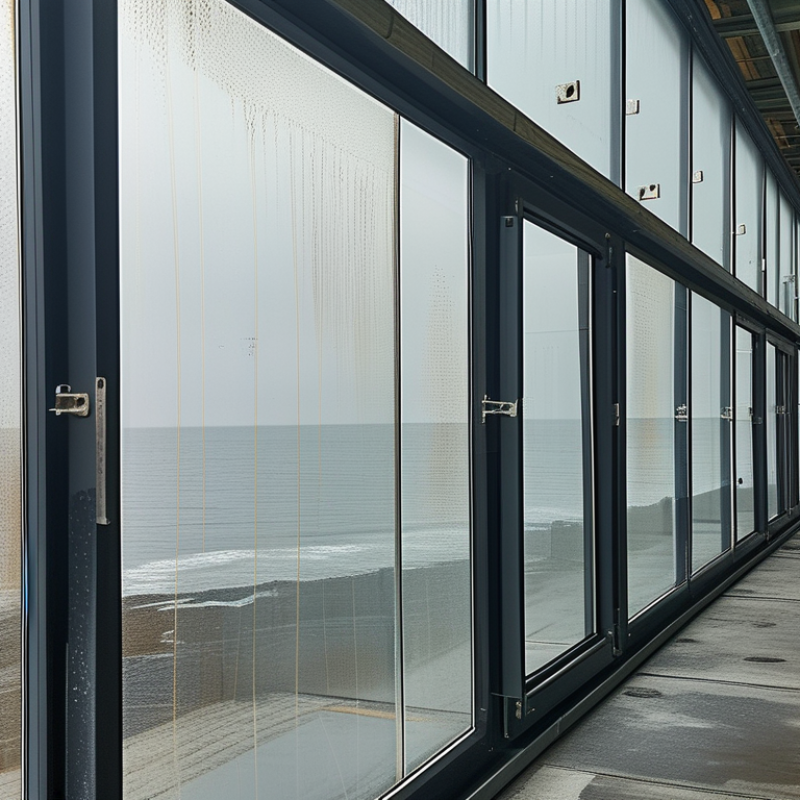
2026 Best Aluminium Materials: What Is Their Lifespan?
In 2026, aluminium material selection depends on load, moisture, temperature, and maintenance. No single alloy is best for every project.
6061-T6 remains a practical choice for frames, machine parts, and structural profiles. It offers good strength, corrosion resistance, and machining performance. With proper design and drainage, it can serve for 25 to 50 years. 6063 is softer but easier to extrude. It suits window frames, doors, rails, and decorative sections. Anodized 6063 may last 20 to 40 years in normal outdoor conditions.
5052 aluminium performs well in panels, tanks, and transport equipment. It bends easily and resists many humid environments. Its expected service life often reaches 20 to 40 years. For marine structures, 5083 provides stronger corrosion resistance and better weld performance. It may remain useful for 30 years or longer when galvanic corrosion is controlled.
High-strength 7075 is valuable in aerospace-style components and demanding mechanical parts. However, it needs careful protection because corrosion resistance is lower than many 5xxx alloys. Cast aluminium is affordable for housings and complex shapes, but its lifespan depends heavily on porosity, coating quality, and impact exposure.
Recycled aluminium alloys are increasingly common in 2026. Their performance can be reliable when composition and heat treatment are controlled. Still, recycled content alone does not guarantee durability. The honest answer is less tidy. A neglected alloy may fail early, while a modest alloy can last decades with thoughtful design and inspection.
| Aluminium Material / Alloy Family | Common Forms and Uses in 2026 | Key Characteristics | Typical Uncoated Service Life | Typical Protected Service Life | Best-Suited Environments |
|---|---|---|---|---|---|
| 1xxx Series Commercially pure aluminium, typically 99% or more aluminium |
Electrical conductors, chemical tanks, heat exchangers, foil, reflective surfaces, and general sheet products | Very high corrosion resistance, excellent electrical and thermal conductivity, highly formable; relatively low strength | 20–50 years in mild outdoor exposure; shorter where abrasion or aggressive chemicals are present | 30–60+ years with suitable anodizing, paint, or isolation from incompatible metals | Indoor, rural, coastal, and chemical-service applications when high strength is not required |
| 3xxx Series Aluminium-manganese alloys |
Roofing and siding sheet, beverage and food containers, HVAC parts, heat exchangers, and cooking equipment | Good corrosion resistance, weldability, and formability with moderate strength; not normally heat-treatable | 25–50 years in normal building and industrial exposure | 40–70+ years with factory-applied coating and regular inspection | General construction, moderate industrial environments, and food or HVAC applications |
| 5xxx Series Aluminium-magnesium alloys |
Marine panels, ship structures, pressure vessels, bridges, transport bodies, storage tanks, and architectural sheet | High strength-to-weight ratio, excellent weldability, and strong resistance to seawater; some tempers require care at elevated temperatures | 25–50 years in atmospheric exposure; approximately 15–40 years in severe marine service without effective protection | 40–70+ years with correct detailing, drainage, coating, and marine maintenance | Coastal, marine, transport, and structural applications requiring weldable high-strength sheet or plate |
| 6xxx Series Aluminium-magnesium-silicon alloys |
Extrusions, window and door frames, curtain walls, solar mounting rails, vehicle components, machine frames, and structural profiles | Good combination of strength, corrosion resistance, weldability, machinability, and extrusion performance | 30–60 years in typical architectural and outdoor exposure | 50–80+ years with anodizing or durable architectural coating and suitable maintenance | Buildings, renewable-energy structures, transport equipment, and general engineering |
| 7xxx Series Aluminium-zinc alloys, often with magnesium and copper |
Aircraft structures, high-performance transport parts, sporting equipment, tooling, and highly loaded machine components | Very high strength and low density; generally more sensitive to stress corrosion, corrosion fatigue, and welding-related strength loss | 15–40 years, depending strongly on stress, temper, inspection, and environment | 25–60+ years with appropriate temper selection, surface treatment, sealing, and scheduled inspection | High-load applications where strength is more important than maximum corrosion resistance |
| Aluminium Casting Alloys Commonly based on aluminium-silicon systems |
Engine housings, pump bodies, gear cases, brackets, heat sinks, wheels, and complex near-net-shape components | Excellent design flexibility and good castability; porosity, fatigue, and surface defects can reduce durability | 15–40 years in general service, depending on load cycles and casting quality | 25–50+ years with sealed surfaces, controlled loading, corrosion protection, and preventive maintenance | Automotive, industrial machinery, thermal-management, and equipment housings |
| Anodized Aluminium Surface-treated aluminium, commonly using 5xxx or 6xxx substrates |
Window frames, curtain walls, façades, signage, interior trim, equipment panels, and decorative components | Hard, integral oxide layer with improved surface durability and appearance retention; vulnerable to strong alkalis and harsh abrasion | Usually 30–60 years in architectural exposure, depending on anodic film thickness and location | 50–80+ years when correctly specified, cleaned, and isolated from galvanic contact | Architectural, urban, and moderate coastal applications |
| Painted or Powder-Coated Aluminium Coated sheet, plate, or extrusion |
Roofing, façades, doors, windows, solar frames, railings, transport panels, and outdoor equipment | Adds colour and barrier protection; performance depends on pretreatment, coating chemistry, film thickness, UV exposure, and edge coverage | Approximately 15–40 years if coating damage is not repaired | 25–60+ years with a qualified coating system, proper installation, and periodic cleaning | Outdoor architectural and industrial applications where appearance and colour consistency matter |
Well-designed aluminium components may remain serviceable for 40 to 80 years. Scratches and trapped moisture can shorten this period.
Coastal aluminium may last 25 to 50 years with regular washing and protective finishes. Salt spray can cause pitting around joints and fasteners.
Yes. Aluminium forms a protective oxide layer. That layer helps, but it is not permanent.
Inspect it every six months. Check joints, seals, fasteners, drainage openings, and places where rainwater remains.
Use clean water, mild pH-neutral detergent, and a soft brush. Avoid steel wool and abrasive pads. Rinse thoroughly.
They may indicate early corrosion, especially near trapped water. Clean the area and inspect nearby seals, joints, and drainage paths.
Scratches can expose the surface and let corrosion spread beneath coatings. Remove dirt and loose material before applying a compatible repair coating.
Not reliably. Soil chemistry varies widely, so direct burial needs professional assessment. The estimate is uncertain.
Choose material based on climate, loads, coating quality, maintenance access, and repair plans. Strength alone does not guarantee durability.
Teams may clean visible panels while missing blocked drains underneath. Small drainage details can matter more than extra thickness.
Aluminium remains a versatile material in 2026, with commonly used options including pure aluminium, alloyed aluminium, cast aluminium, and extruded profiles. Each type offers a different balance of strength, weight, corrosion resistance, flexibility, and cost. When asking “what is the lifespan of aluminium materials,” the answer depends on alloy composition, surface treatment, manufacturing quality, exposure conditions, load, temperature, and contact with other metals. In dry indoor environments, aluminium can remain functional for many decades, while coastal, industrial, or constantly wet conditions may reduce its service life if protection is inadequate.
Regular cleaning, prompt removal of salt and chemical deposits, proper drainage, protective coatings, and inspections of joints and fasteners can significantly extend durability. For long-term use, users should select an aluminium material according to the project’s structural requirements, climate, maintenance capacity, and expected exposure. Choosing the right alloy and finish at the beginning helps improve reliability, reduce repair needs, and achieve a longer overall service life.

 Cellar Aluminum